



We learn many things in life, but we are able to do only a few of them perfectly. In this article, we explore some of the facets of human nature that contributed to our imperfection
In our fast-paced world, we are constantly bombarded with opportunities to learn new skills—whether through workshops, online courses, books, or everyday experiences. From mastering public speaking to improving communication etiquette, we absorb a wealth of knowledge. Yet, how often do we find ourselves falling short when it comes to actually putting that knowledge into practice? We learn many things in life, but we’re able to execute only a few with true perfection. This frustrating disconnect isn’t just a personal failing; it’s rooted in fundamental aspects of human nature and our environment. There are two reasons why we are unable to implement something we have learned or been trained on. First, there is a cognitive reason. Humans tend to forget things. For example, you provide very straightforward responses to messages, like:
Alex: Can we meet today?
You: No
You: No
Such a response is considered rude or unfriendly. You decided to attend a workshop in which you learned new communication skills and how to respond in a way that does not upset the receiver. You learned that adding an emoji can turn a straightforward message to friendlier and less rude one. The conversation between you and Alex can be improved with a smiley emoji:
Alex: Can we meet today?
You: No
However, you were engaged in a work with deep thinking. Suddenly, your colleague messaged you, and you simply say I can’t meet today without adding any emoji. After sending the message, you suddenly forgot to add an emoji and realize that you again replied rudely.
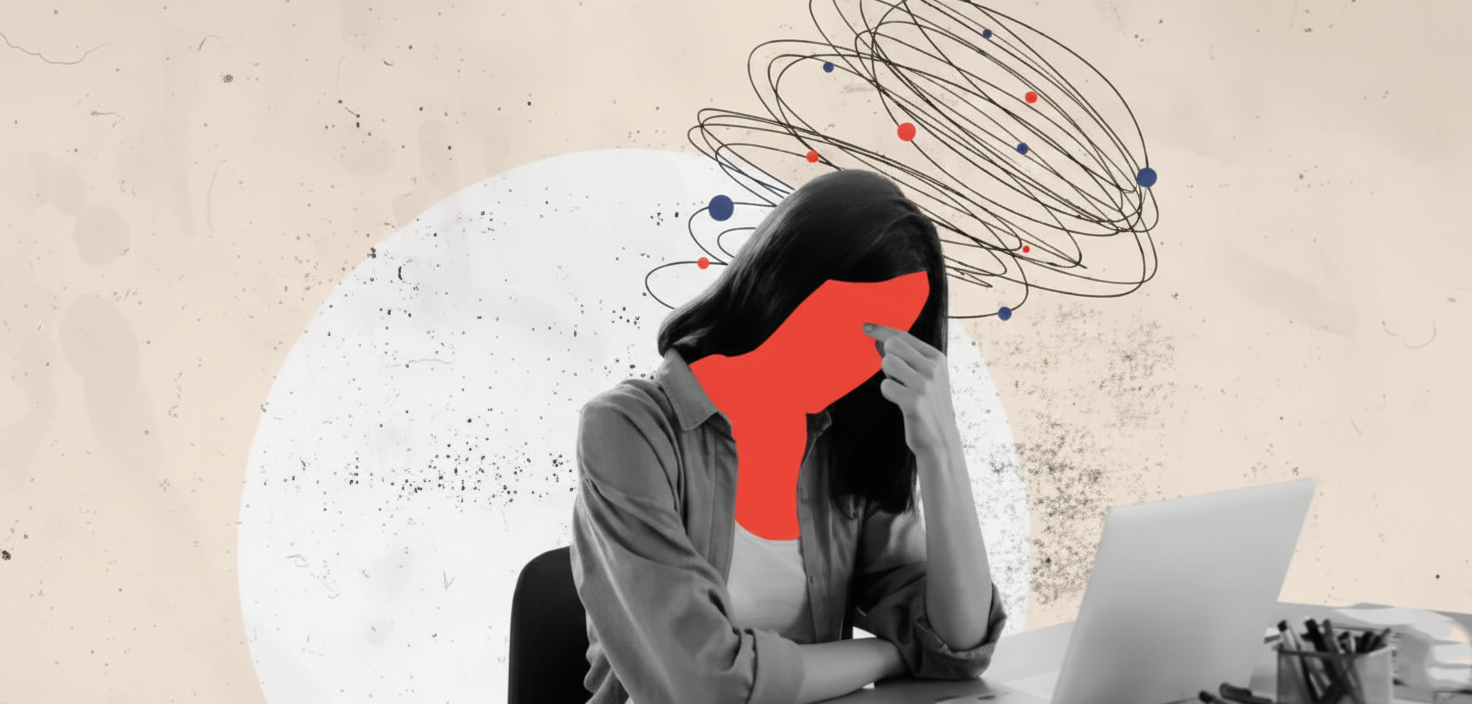
This isn’t laziness; it’s a classic example of cognitive overload. When we’re preoccupied or under time pressure, our working memory gets taxed, and recently learned habits don’t automatically kick in. Psychologists refer to this as the “forgetting curve,” a concept popularized by Hermann Ebbinghaus, which shows how information retention drops sharply over time without review. In everyday life, this means that while we intellectually grasp a skill, the neural pathways aren’t strong enough to override autopilot behaviors.
Advancements in technology allow you to correct such mistakes. For example, if you are communicating on Whatsapp and until the receiver saw your message, you have the chance to correct any mistakes by editing your message. This acts as a buffer against your mistakes and compensating our cognitive shortcomings.
On email, this option is not available, so emails are like a bow; once the arrow is released, you cannot do anything. If you have a typing error, miss an emoji, or unintentionally use a harsh tone, it becomes permanent. In email-heavy environments, like corporate settings, the pressure to get it right the first time can exacerbate cognitive forgetfulness, leading to more slip-ups.
The second reason why we are unable to implement learned is due to emotions. Sometimes we are happy and sometimes angry. When we are happy, we may tend to give polite responses to messages, but negative emotions like anger may lead to rude or impolite responses.
This emotional interference is backed by neuroscience. When we’re in a low emotional state, the amygdala (the brain’s emotional center) becomes hyperactive, while the prefrontal cortex (responsible for executive functions like planning and self-control) is suppressed. As a result, we revert to habitual, less refined behaviors rather than the polished ones we’ve learned. This is especially true in high-stakes situations, like negotiations or conflicts, where emotions run high, and perfection feels elusive.
Research found that ideas, communication, creativity, and originality improve when individuals are happy. It appears that happy individuals who experience positive moods are more flexible and open in their thinking, which explains their good communication. Other research found that positive moods do not impact communication. It is common that when people are happy, they tend to be more relaxed and prepare their response comfortably.
Negative moods should be categorized as active or deactivating. Negative moods that generate active feelings are anger, fear, or elation, while negative moods that generate deactivating feelings are sorrow, depression, or serenity. Regardless of active or deactivating feelings, your communication is impeded because if you recently learned to respond politely, you will definitely give a straightforward response when you are angry due to negative emotions.

So, what to do in such situations? Even after training, you are unable to implement what you learned. Practice is important to overcome the two limitations discussed above. When you practice to implement a certain thing, you will gradually improve your execution and, by the time you make a significant improvement. Everything you learned, such as filing your tax return, registering your partnership business, or a communication technique, all things require practice to master them. Next time, when communicating with someone over email or messages, you can adopt a polite and friendly tone to appear less straightforward or rude.
Another thing that can help prevent the implementation failure of any learning is to make notes. A sticky note on the computer or on your desk acts as a reminder to be more polite and less rude. Even if you forgot to adopt a polite communication style despite training and practice, the sticky note will act as a savior for you.
The activities that we implemented perfectly are those that we practice and perform frequently or at least often in life. Other activities that we are unable to do with perfection are those that are seldom used. However, there are just surface-level reasons for our imperfect nature, and there are other reasons that hinder our ability to implement learning perfectly. Next time, when you are replying to a colleague or a friend, you must be mindful that your communication conveys more than just a message; it conveys your communication style, nature, or mood. Individuals are privileged if their employers know how to make their employees happy, which leads to a better mood, such as through positive feedback.