



Family vlogging offers living for some but is it good for underage performers?
Vlogging is the new face of the internet, affecting traditional internet content. In Vlogs, people not only share their thoughts and experiences with viewers but also sell their routines or, broadly, their lives to earn a living if they are monetized. Vloggers share their milestones, such as a new car or home, exercise routine, or their vacation. This new source of content provide agency, and a source of earning to make ends when wages are low, and living costs are high. Critics are skeptical about the massive amount of content that displays the private lives of these vloggers, which can expose them to exploitation and raise privacy concerns.
Vlogging from a Sociological Lens:
From a sociological lens, vlogging is a type of reproductive labor or social reproduction that highlights mixed outcomes of this type of content. Reproduction means showing routine life, which includes child caring, cooking, or housekeeping, and turning the routine into online content. All these errands are considered unpaid labors, so vlogging provides an opportunity to turn the messy stuff of a routine life into something reproductive. The positive aspect includes sharing experiences, developing a community, or earning from the content. However, its negative sides include invasion of privacy, exploiting families, or making one’s life a job for earning. Feminists argue that this type of unpaid or low paid work is extremely crucial as it supports society, politics, the economy, and everyone else.

Caring Pressures :
Family vlogging did not emerge spontaneously; rather, it occurs due to financial crisis. The growing trend of “mothers as entrepreneurs” in response to the care crisis. The rising cost of living, lower wages, and government benefits are unable to meet ends. This poses significant pressure on parents, especially mothers, when they think about caring for their families.
Most businesses are trying to fill the gender gap in the workplace. Still, inequity exists because women often need to work at home, often unpaid. Women work many hours in a day (both paid and unpaid), but they are often failed to perform in both roles successfully.
To mitigate these pressures, mothers use the opportunity of showing where they can show dark and bright aspects as mums. However, the mother vlogging now turned into a vlog in the past few years. Family vlogs highlight the troubles of parenting. Mommy Vlogs can show difficulties of a mother and, within the online community, can support or get support from others.
Commodification of Families:
The problem with mother or family vlogs is that most of the content is greatly curated that questions about the actual role of mothers. That means these vlogs do not counter the racial, gendered, and classist ideals regarding parenthood that they promised to do when they started. Therefore, most of the vlogs do not create a community to support or get support, and commodify motherhood.
The implications of vlogging are vast and daunting. When mothers in vlogs show an ideal type of routine or representation of motherhood, this act can exclude mothers from specific races (showing white parenting as superior), sexualities (showing straight relations), and class (money is required for perfect living), leading to a dichotomy of what is good and what is bad parenting, hurting diverse families. The mothers are trying to inform ideal parenting, but in reality, they are just doing this to get views, and all this isn’t normal. Further, the standard idea of parenting revolves around heterosexual families and ignores diverse families. Historically, society has monitored and penalized parents from diverse races, like Black and Indigenous communities, via legislation.
Youtubers relied on views and subscribers to achieve monetization and earn from their content. They also relied on ads, sponsorships, and brand ambassadorship for their earnings. However, not all content creators make millions, and only a few of them achieve million milestone. Most are precarious YouTubers having unstable earnings and dependent on the social media algorithm. Comparatively, mothers use their content to cope with their economic insecurities by trying to earn from their rearing practices.
Clickbaiting :
Family Vloggers are exploited within the social media ecosystem. Most of the Vloggers try to move to the United States so they get better payouts, sponsorships, and industry connections. Moreover, the United States Law makes parents responsible for privacy and consent. Parents decide what content to create with their children, and they exploit their children emotionally or make invasive content while also giving consent on behalf of their children. This develops a gap as parents can provide consent on any viral content because no one will check to violate children’s privacy.
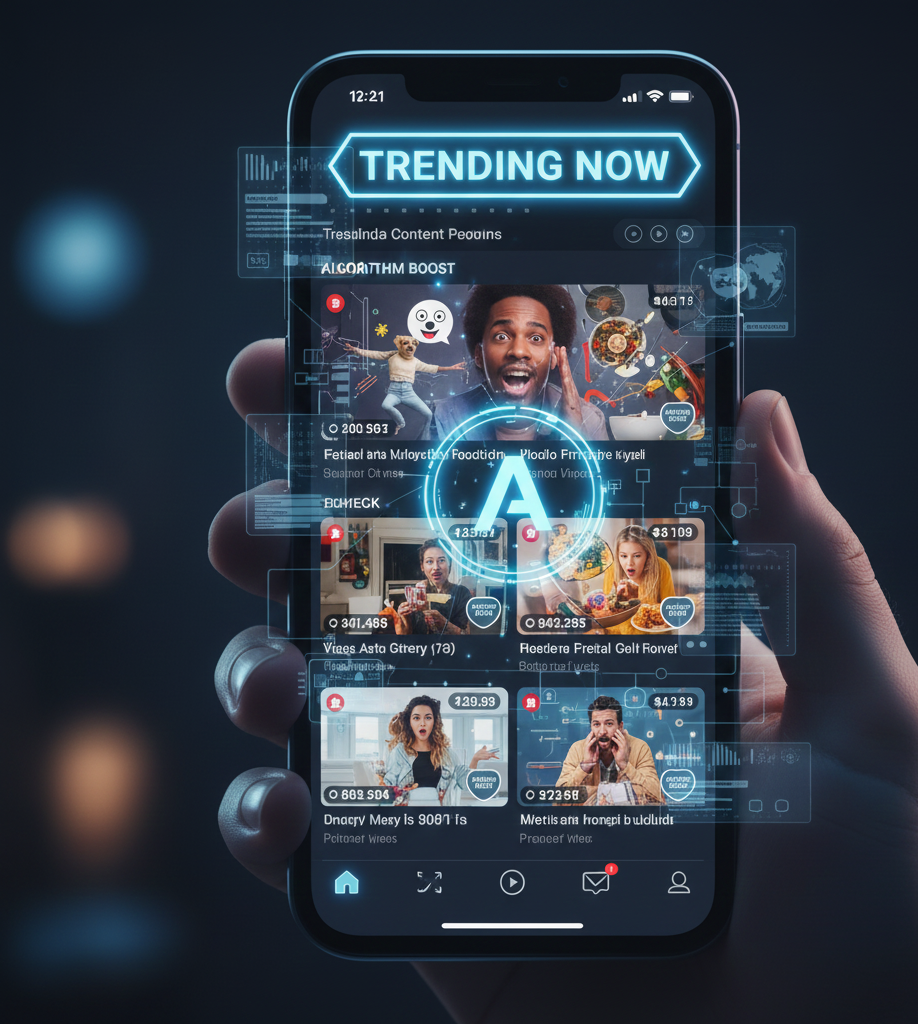
Secondly, the social media algorithm decides which content is popular, and it prioritizes the content based on the increasing number of views. This algorithm also modifies without any notification, so creators will not know immediately whether their content is popular. If these volggers do not show their children, they may lose views, and the algorithm will not prioritize their content.
The United States legislation is not strong enough to counter this emerging type of child labor. The Coogan Act protects the earnings of children but neglects the conditions in which they work. Illinois is the only state in the United States that provides compensation to children appearing in monetized content. This is a decent initiative but not a strong one like France, which allows children to request that the platform remove videos in which they once featured.
Legislators need to consider initiatives like those in France and the United States that allow right to be forgotten and pay financial compensation to children. Transparency and regulation are also required in algorithms that prioritize content based on popularity. Family vlogging informs us about the interaction between care crisis, commodification of families, and clickbaiting. Legislators need to think about how this emerging form of content affects children and families.