


We know a lot about effective communication, but this article informs you of something you’ve heard but didn’t pay much attention to :
Last year, I was returning from Poland. A passenger sitting beside me offered a drink. I was hesitant about how to say no to this guy because he was nice and humble with me, as he helped settle my luggage. I confidently told him that I avoid drinking during flights because it makes me uneasy. The passenger was happy with my response, and we exchanged some ideas thereafter. Upon my reflection of this interaction, I uncovered three key strategies that really helped me to build and maintain relationships and definitely will definitely help you in your conversations. These strategies are not heavy weight adjustments that you might need to do in your communication style. They are minor tweaks that will turn something usual into inspiring and respectable.
Role of Emojis in Communication :
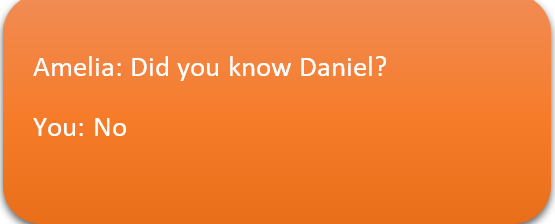
When you communicate face-to-face, you add expression like a little bit of smile or humor, to compensate for a discomforting message. For example, in a face-to-face conversation, if someone ask you: “You’re not going today?” and you replied (with a little bit of laughter) “I really want to, but I have other commitments”. However, many people are unable to do so in virtual communication on emails or whatsapp. People who are straightforward may reply in a manner that appears a bit rude. Consider the following example:
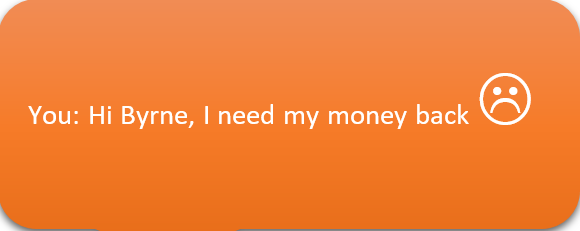
Alternatively, consider a scenario, you are asking your friend who borrowed some money from you, but suddenly you need that money back for some reason, so you are a straightforward person and message your friend:
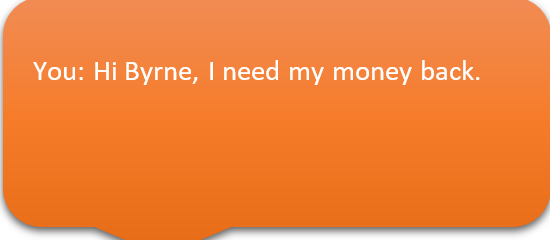
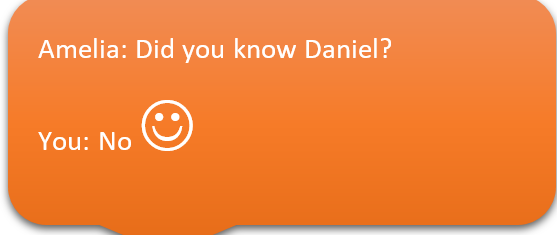
These brief examples and many similar ones appear harsh or rude. But you can turn these dry responses with emojis to convey warmth and soften your tone. This improves the relationship and the receiver’s emotional state. One study identified that adding relative emojis in the message improve responsiveness, develop a higher perception of closeness, likability, and relationships. Another study examined the impact of novel emojis that comprise of facial action units, like visual cues from emotions like joy or sadness. The results highlight that it contributes to emotional communication, controlling misinterpretation more than standard emojis. These studies show the importance of emojis in communication by supporting digital interactions in the absence of non-verbal cues. Now see the examples of how the above uncomfortable messages turn into confirming ones. You will observe how a small addition of emojis improves the communication.
Respecting the Ideas of others :
While talking to the passenger during my flight experience, I learned that effective communication is not just about conveying your ideas, it is about respecting and valuing the ideas of others. It is also ethical to respect the views or ideas of others to develop good relationships. To understand this, consider an example, my inflight seatmate having flu, so he tried something. He informed that he didn’t take any medicine and he always does this to get better. I told him that if he took honey before breakfast everyday than it will boost his immune system and will definitely help him recover and protect from viruses. Thus, I showed respect by not dismissing my opposing beliefs and refrained from over-identification to focus on helping my seatmate.
Respectful dialogue encourages diverse ideas to flourish, creating an environment where innovation thrives. Importantly, steer clear of forcing your opinions; instead, assert yourself empathetically by acknowledging the other person’s situation before stating your needs, which promotes mutual respect and reduces defensiveness. In diverse cultural contexts, this openness to varying perceptions of respect further strengthens interpersonal bonds.

Acknowledging the Challenges of other Party :
During communication, it is important to acknowledge the issues or challenges of others. This provides an edge to the party who acknowledge by promoting reciprocity and reducing resistance. For example, when I informed my inflight seatmate about the benefits of honey and other natural sources like clove, he replied: “Your point made me rethink this”.
Studies conducted on bargaining also showed that acknowledging issues of other parties boosted the acceptance from 40% to 63%. This strategy develops positive sentiments and mediates better outcomes through perceived accommodation. Moreover, when we acknowledge the feelings of others, we show them that we want to cooperate with you and in return we expect your cooperation. This encourages parties to collaborate with each other instead of competing.
Some people are good communicators by birth, some need to polish their communication skills. Life experiences and a reflective process will help you uncover what you have done well and what could have been done better. This helps you identify your communication flaws (even other things) and what elements you should use next time in your talks to make them better. Those who look back on their experiences and learn from them have better self-awareness, and such people have better communication skills. When you communicate next time, don’t forget to try out the strategies discussed here, and you will observe a marked difference.