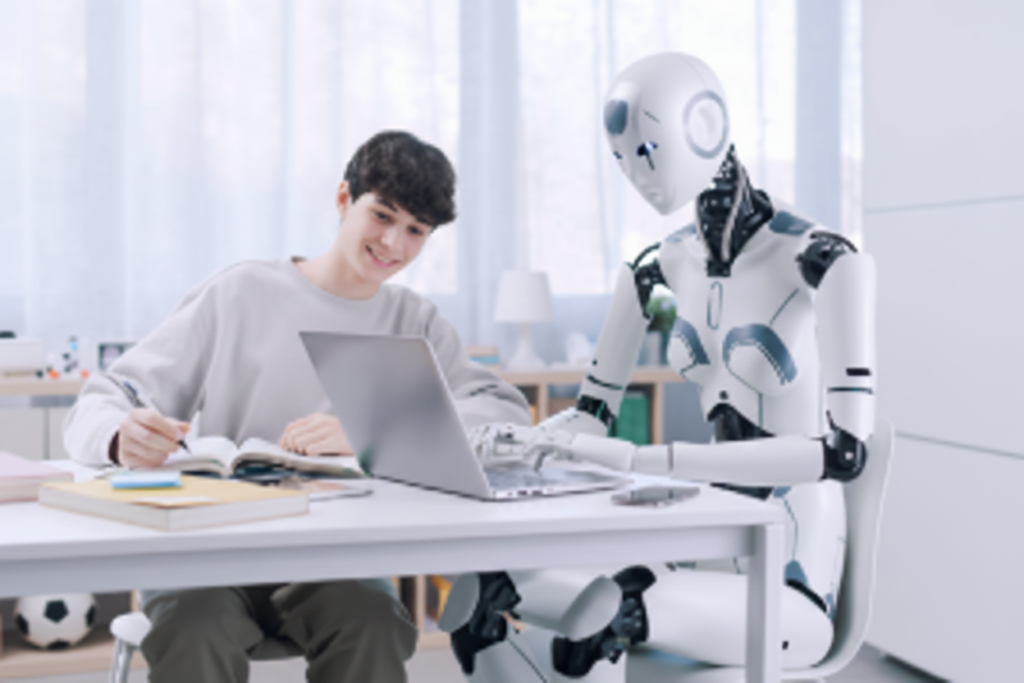

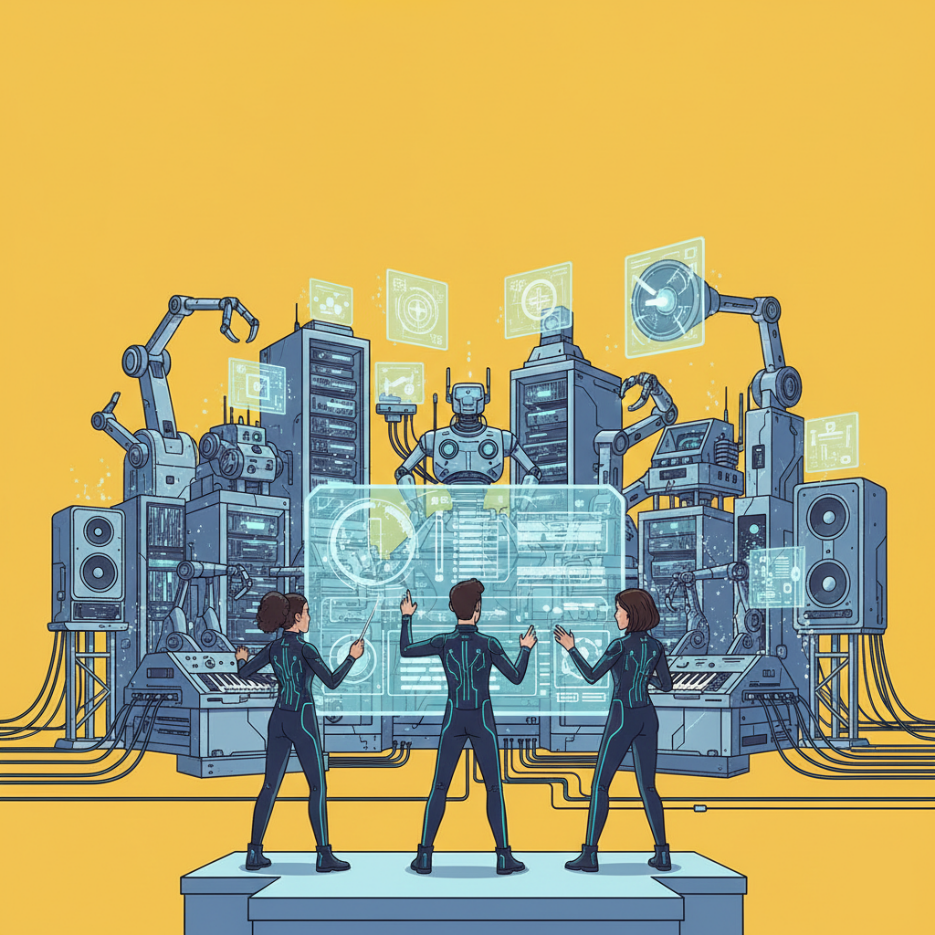
How effective is Artificial Creativity?
Creativity was once a human trait, but it is now becoming common in machines. This article uncovers the issues in AI-generated artistic work. AI is not just restricted to answering questions, automating tasks, or generating codes, it is also doing creative work. This includes, but is not limited to, pictures, videos, artwork, or music. Is this artificial creativity really a creative work? In 1843, Lady Ada Lovelace – the World’s First Computer Programmer – argued that machines one day could think like a human if they intentionally programmed to do like humans. She further argues that a machine will be truly creative or intelligent if it is able to produce original ideas. These ideas of Lovelace also unfolded the definition of creativity, which must include two components: (1) a valuable, and (2) an original idea. In 2001, researchers created a LoveLace Test to separate creative ideas from non-creative ones. This test is especially designed for machines that claim to be creative like humans. The test identifies whether a machine can generate a result that cannot be explained by its source code. The Lovelace test is more like many of Einstein’s thought experiments rather than an objective scientific test. Suno AI …